
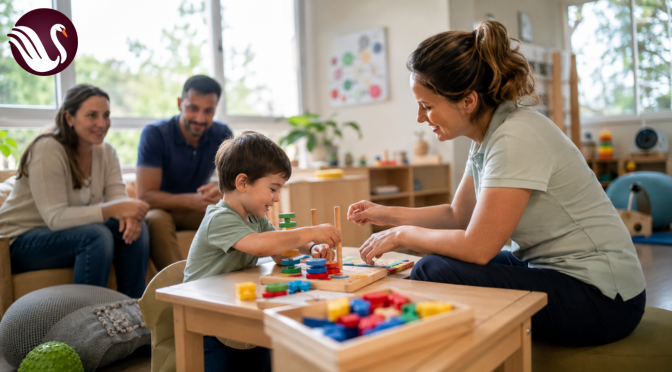
Every child develops at their own pace, but when developmental delays are identified early, timely intervention can make a significant difference. From improving communication and motor skills to enhancing social interaction and emotional wellbeing, early childhood support provides children with the foundation they need to thrive throughout life. In Australia, the NDIS Early Childhood Approach empowers families to access tailored supports that promote positive developmental outcomes and greater independence. Investing in early intervention can help shape a child’s confidence, learning, independence, and future opportunities.
Early Support Builds Strong Foundations for Lifelong Development
The first few years of life are a critical period of brain development. During this stage, targeted support can significantly strengthen cognitive, physical, communication, and social development. Early intervention focuses on addressing challenges before they become barriers to learning and everyday participation.
Professionals offering early childhood support in Perth provide personalised strategies designed around each child’s unique strengths, developmental needs, and family goals. Through evidence-based therapies and structured play opportunities, children develop essential life skills while building the confidence to engage with the world around them.
Better Development Today Leads to Greater Independence Tomorrow
Children who receive early intervention often experience improved outcomes across education, daily living, and social participation. By developing practical skills from a young age, they are better equipped to navigate school environments, build friendships, and participate in community activities.
Experienced NDIS providers in Perth work collaboratively with families, educators, and allied health professionals to create individualised support plans that evolve as the child develops. This coordinated approach ensures children receive consistent guidance that encourages ongoing growth and independence at every stage of development.

Supporting the Whole Family Creates Better Outcomes
Effective early childhood support extends beyond therapy sessions. Families play a vital role in reinforcing new skills during everyday routines, making family collaboration an essential part of the intervention process.
Leading NDIS service providers in Perth empower parents and caregivers with practical strategies, education, and ongoing support so they can confidently assist their child’s development at home. This family-centred model creates consistency across different environments, helping children achieve meaningful progress while supporting parents and carers throughout the process.
A Holistic Approach That Encourages Lifelong Success
Developmental delays often affect multiple areas of a child’s growth, making multidisciplinary support highly beneficial. Speech pathology, occupational therapy, physiotherapy, behavioural support, and early learning strategies can all work together to achieve the best possible outcomes.
Swan Caring Hands, a trusted provider of disability services in Perth, adopts a holistic, person-centred approach that focuses on each child’s abilities rather than limitations. By supporting communication, emotional regulation, physical coordination, and daily living skills, children gain greater confidence and resilience that support lifelong participation in education, employment, and community life.
FAQs
Why is early intervention important for children with developmental delays?
Early intervention takes advantage of the brain's rapid development during the first few years of life. Providing support early can improve developmental outcomes, reduce future challenges, and help children achieve greater independence.
What are the long-term benefits of early childhood support?
Children who receive early support often experience improved communication, stronger social skills, greater confidence, enhanced learning abilities, increased independence, and better participation in school, community, and everyday activities.
Who can benefit from early childhood support?
Early childhood support can benefit children experiencing developmental delays in areas such as speech and language, motor skills, learning, behaviour, social interaction, sensory processing, or emotional development.
What types of professionals are involved in early childhood support?
Depending on a child's individual needs, support may involve speech pathologists, occupational therapists, physiotherapists, psychologists, early childhood educators, behaviour support practitioners, and other allied health professionals working together.
How does early childhood support help families?
Early childhood support equips parents and caregivers with practical strategies to encourage development at home, understand their child's needs, and confidently support progress through everyday routines and activities.
Can early childhood support improve school readiness?
Yes. Early intervention helps children develop communication, social, behavioural, cognitive, and self-care skills that prepare them for a smoother transition into preschool and primary school.
Is early childhood support available through the NDIS?
Yes. Eligible children under the NDIS Early Childhood Approach may receive funding for supports and therapies that are considered reasonable and necessary to help them achieve their developmental goals.
How do I know if my child may need early childhood support?
Signs may include delayed speech, difficulty interacting with others, limited motor skills, challenges with learning, behavioural concerns, sensory sensitivities, or delays in reaching developmental milestones. An assessment by a healthcare or allied health professional can help determine the appropriate support.
When should parents seek early childhood support?
Parents should seek professional advice as soon as they notice developmental concerns. Early identification and intervention can provide valuable opportunities for children to build essential skills and achieve positive long-term outcomes.